Ben Schwarz · 25 October 2026
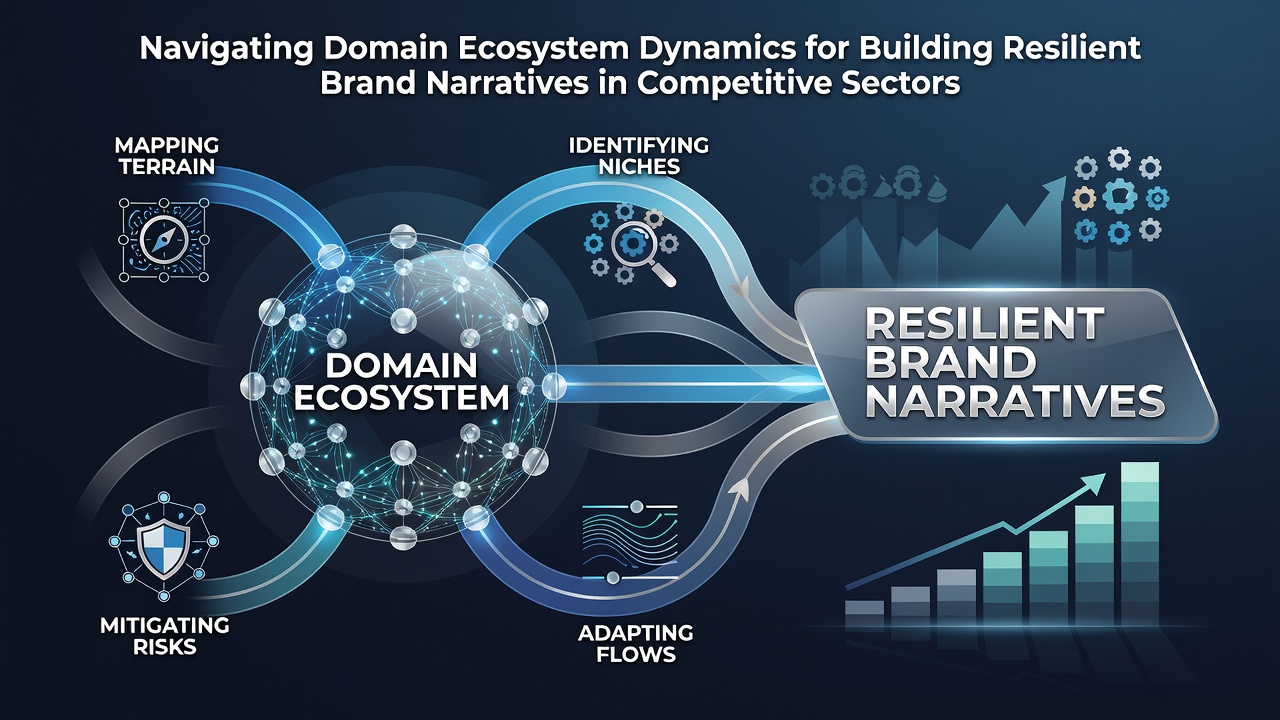
Navigating Domain Ecosystem Dynamics for Building Resilient Brand Narratives in Competitive Sectors
Domain ecosystems encompass registries, registrars, policy frameworks, and technological standards that shape how organizations establish and maintain their online presence, and these elements interact constantly to influence brand storytelling in crowded markets. Competitive sectors such as technology, finance, and consumer goods require brands to coordinate domain portfolios with narrative consistency because fragmented domain strategies often lead to diluted messaging over time. Observers note that companies which align domain selections with core brand values tend to sustain clearer communication threads across digital touchpoints.
Core Components of the Domain Ecosystem
Registries manage top-level domains while registrars handle registrations and renewals, yet the interplay extends further into security protocols like DNSSEC and emerging standards for internationalized domain names. Data from industry reports shows that adoption of new generic top-level domains has accelerated since their introduction, with thousands of extensions now available for brands seeking distinctive identifiers. Those who've studied this space know that ecosystem shifts, including policy updates from oversight bodies, directly affect how narratives can be protected against infringement or dilution in competitive environments.
October 2026 brings anticipated reviews of certain gTLD agreements, and organizations monitoring these timelines can adjust portfolio strategies accordingly before changes take effect. Researchers have documented that proactive alignment with ecosystem rules helps brands avoid disruptions that might otherwise fracture storytelling continuity across regions.
Building Narrative Resilience Through Domain Choices
Resilient brand narratives rely on domain structures that support consistent messaging even as market conditions evolve, and experts have observed that defensive registrations in multiple extensions serve as one mechanism for maintaining control. Companies in competitive sectors often secure variations of their primary domain to prevent third-party exploitation, which in turn safeguards the integrity of their stories. Figures reveal that coordinated registration patterns correlate with stronger audience recognition in longitudinal brand studies.
But here's the thing: the ecosystem also includes secondary market dynamics where expired or premium domains circulate, and brands that integrate these opportunities into narrative planning gain access to memorable phrases that reinforce positioning. Academic analyses from institutions such as the Internet Corporation for Assigned Names and Numbers highlight how careful navigation of these markets supports long-term coherence in brand expression.
Regional Variations and Regulatory Influences
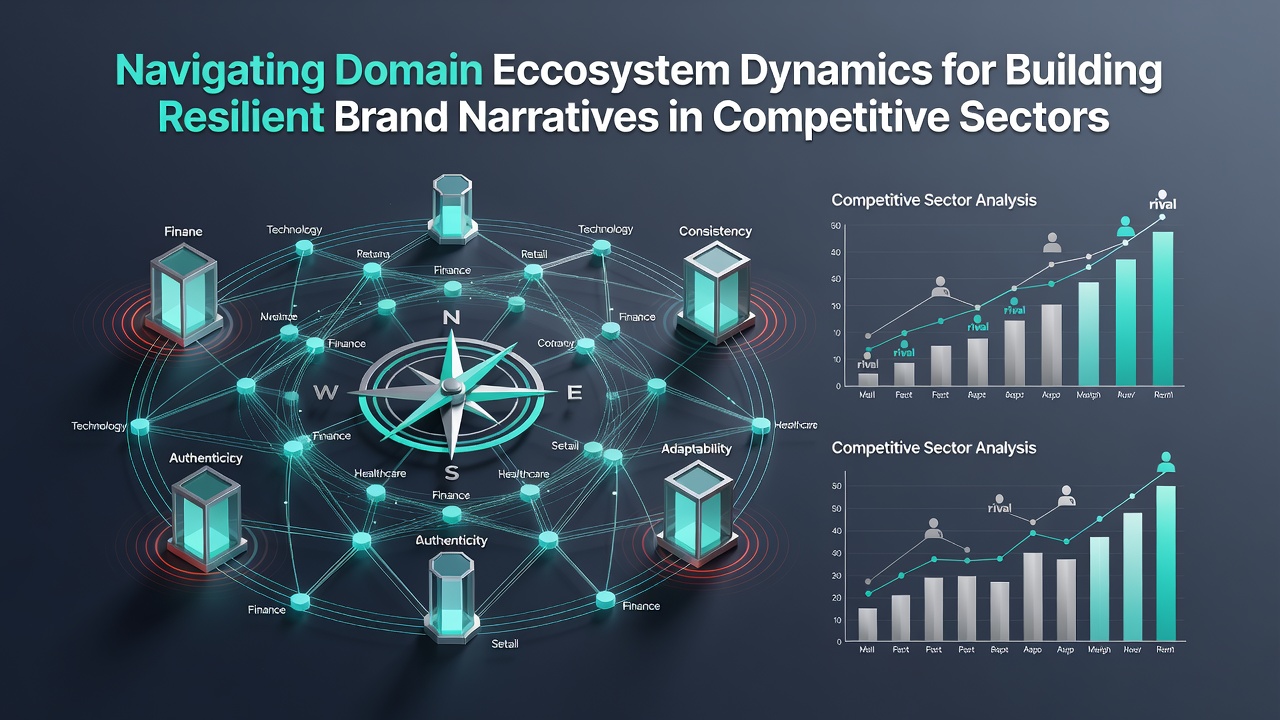
Domain policies differ across jurisdictions, with bodies in the European Union, Australia, and Canada issuing guidelines that affect registration practices and dispute resolution. Evidence suggests that brands operating internationally must reconcile these variations to keep narratives unified, and those who map regulatory landscapes early encounter fewer obstacles when expanding storytelling into new territories. A study referenced by research institutions indicates that cross-border coordination reduces narrative inconsistencies that arise from mismatched domain availability.
What's interesting is how competitive sectors amplify these challenges because rivals actively monitor domain movements for strategic advantage. Organizations that maintain transparent records of domain decisions create audit trails that support both compliance and narrative authenticity when questions arise from stakeholders.
Integration with Broader Digital Infrastructure
Domain choices intersect with content delivery networks, security certificates, and analytics platforms, and integrated approaches allow brands to embed resilience directly into operational workflows. Data indicates that firms which treat domains as foundational narrative assets rather than isolated technical items achieve more stable audience engagement metrics over extended periods. Observers note examples where sector leaders in technology have used ecosystem monitoring tools to anticipate availability shifts and secure domains that extend their brand stories into adjacent themes.
Yet the reality is that smaller players in competitive fields face resource constraints when attempting similar levels of coordination, and collaborative models with specialized providers have emerged as one documented response. Reports from trade organizations show these partnerships help maintain narrative continuity without requiring in-house expertise across every ecosystem variable.
Conclusion
Effective navigation of domain ecosystem dynamics supports the construction of brand narratives that withstand competitive pressures and regulatory changes, and organizations that track policy developments, regional differences, and infrastructure linkages position themselves for sustained coherence. Ongoing monitoring through October 2026 and beyond will likely reveal further adjustments in how domains underpin storytelling, with data continuing to guide practical decisions across sectors.