Ben Schwarz · 11 October 2026
Shifting Dynamics in Search Result Presentation for Brands Utilizing Innovative Domain Management Solutions in Regional Markets
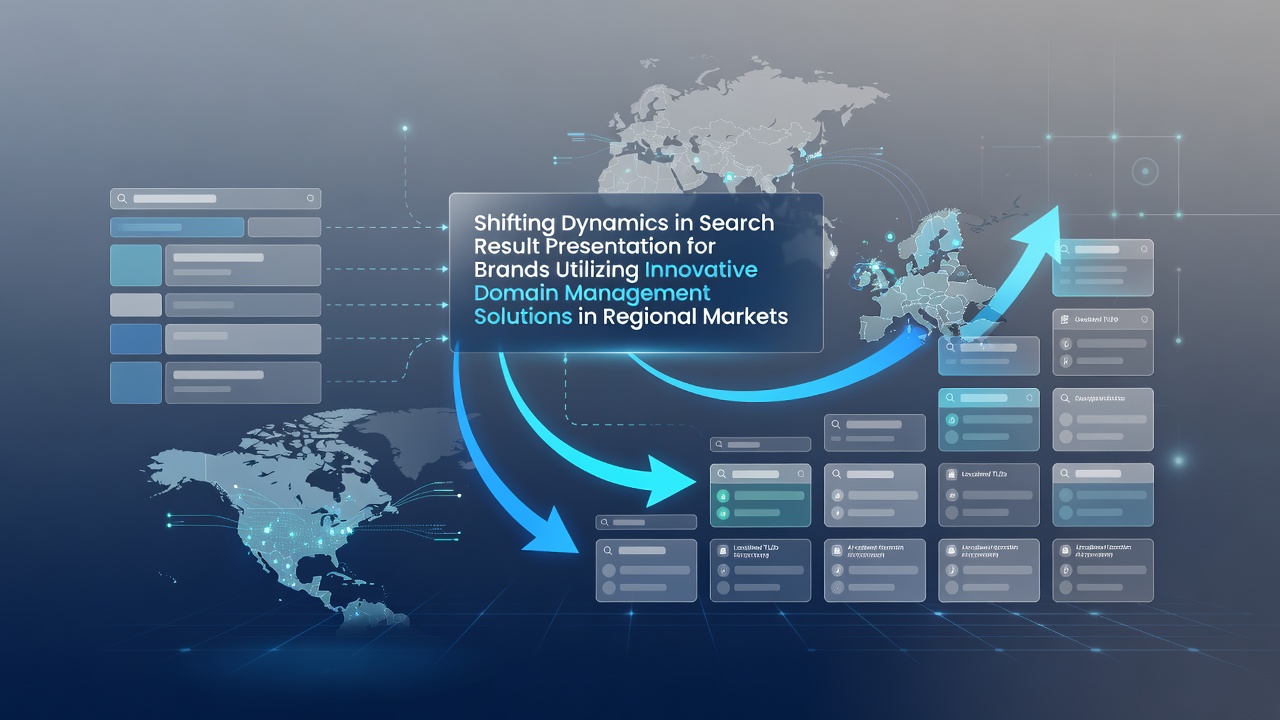
Search engines continue to refine how they display results for brands that adopt advanced domain strategies in specific geographic areas, and these adjustments reflect ongoing changes in algorithmic priorities as well as local regulatory frameworks. Data from multiple monitoring platforms shows that presentation formats now incorporate more localized signals when domains utilize structured management approaches such as regional top-level domains combined with content delivery optimizations. Observers note that these modifications appear most pronounced in markets where search providers test enhanced geo-targeting features throughout late 2026.
Core Elements of Innovative Domain Management
Brands implement domain management solutions that go beyond basic registration by integrating dynamic DNS configurations, automated SSL provisioning, and regional hosting clusters that align with search engine crawling patterns. Research indicates these setups allow faster indexation cycles in targeted locales while maintaining consistent brand signals across borders. Studies from academic institutions have documented how such systems reduce latency in result loading times, which in turn influences the visual hierarchy search engines assign to individual listings.
Regional Market Variations in Result Display
European markets demonstrate distinct presentation shifts compared with those observed in Asia-Pacific regions, where search interfaces often prioritize mobile-optimized domain variants. According to reports from the European Commission on digital infrastructure, brands leveraging ccTLDs paired with innovative management tools see increased prominence in localized knowledge panels and carousel formats. In contrast, data from Australian regulatory bodies highlights that similar strategies produce more frequent featured snippet placements when domains incorporate structured data markup tailored to local languages.
Algorithmic Influences on Brand Visibility
Search algorithms evaluate domain authority through metrics that include historical link velocity and crawl efficiency, yet recent updates emphasize regional relevance signals derived from server locations and content freshness. Those who analyze large-scale ranking datasets find that brands using consolidated domain portfolios experience steadier visibility in October 2026 compared with earlier periods marked by broader fluctuations. This stability stems from improved handling of cross-border redirects and unified analytics tracking that search engines now factor into result ordering.
What's interesting is how these domain solutions interact with emerging presentation layers such as AI-generated summaries and voice search outputs, where regional domain signals help determine which brand elements surface first. Figures from industry research groups reveal measurable differences in click-through distributions when domains employ automated management protocols versus traditional static setups.

Practical Implementation Patterns Across Markets
Companies in North American markets often combine gTLDs with subfolder architectures managed through centralized platforms, and this approach correlates with expanded sitelinks in result pages according to aggregated analytics from multiple providers. Meanwhile, observations from Canadian digital policy sources indicate that brands adopting these methods encounter fewer indexing delays during seasonal content updates. The pattern extends to Latin American regions, where localized domain clusters paired with edge computing solutions enhance appearance in map-based result packs.
Researchers have tracked how these management techniques support compliance with varying data residency requirements without sacrificing search performance, and the resulting consistency contributes to more predictable brand positioning over time. Evidence from university-led web studies suggests that crawl budget allocation improves when domains route traffic through optimized regional nodes rather than single global endpoints.
Future Trajectories in Search Presentation
Projections based on current testing cycles point toward further integration of domain health indicators into result formatting decisions, particularly as search providers expand support for emerging web standards. Brands maintaining proactive domain governance report sustained advantages in result diversity, including richer multimedia elements and entity panels. Data compiled through October 2026 underscores the role of these solutions in adapting to algorithm refreshes that reward technical precision in regional deployments.
Conclusion
Overall patterns show that innovative domain management continues to reshape how search results present brand information across regional boundaries, with measurable effects on visibility formats and user engagement metrics. Continued monitoring of algorithmic developments alongside regulatory shifts will likely reveal additional layers of interaction between domain strategies and result presentation mechanics in the periods ahead.